


Introduction
Your website is the digital face of your business – often the first impression potential clients get of your brand. In B2B marketing, your site isn’t just about aesthetics; it’s a strategic tool for nurturing leads, demonstrating credibility, and driving measurable conversions. A thoughtfully designed website can convey professionalism, build trust, and communicate your value proposition clearly, making the difference between a potential lead leaving or engaging with your company.
Beyond visual design, your website serves as an informational hub where prospects learn about your products, services, and expertise. It should provide relevant content that addresses specific industry challenges, showcases case studies, and positions your business as an authoritative solution provider. By strategically aligning your website with buyer needs and expectations, you can shorten decision-making cycles, encourage engagement, and ultimately convert casual visitors into qualified leads.
In this guide, we’ll dive deep into the principles of creating a high-performing, conversion-focused B2B website, from seamless user experience and intuitive navigation to persuasive design and analytics-driven improvement. Whether you’re launching a new site or optimizing an existing one, these strategies will help you build a platform that supports sustainable business growth.
1. Prioritize User Experience (UX) and Navigation
Good design starts with clarity. A seamless user experience ensures visitors can quickly find the information they need, understand your value, and take meaningful action. In B2B websites, where decision-making cycles are often longer and involve multiple stakeholders, intuitive navigation and structure build trust and reduce friction, making it easier for prospects to progress through the buyer journey.
Effective UX isn’t just about layout or aesthetics – it’s about understanding how your audience thinks, what problems they need to solve, and how they prefer to access information. Poor navigation, slow load times, or confusing structures can frustrate visitors, increase bounce rates, and damage credibility. By prioritizing UX, you make it easier for prospects to engage with your content, explore solutions, and ultimately take the next step toward conversion.
Key UX Principles:
- Ensure fast loading speeds – aim for under 2 seconds per page, including mobile performance.
- Use a clear, well-organized navigation bar with logical categories (Home, Services, Resources, Contact).
- Include a robust search function to help users locate information quickly and efficiently.
- Maintain consistent colors, fonts, and design elements for a cohesive brand experience.
- Incorporate intuitive layouts with clear visual hierarchy to guide attention toward key content.
- Use breadcrumb navigation to help users understand their location within your website structure.
2. Design for Conversion, Not Just Looks
While visual appeal attracts attention, conversion-focused design moves visitors to act. Every page on your site should have a clear objective – whether it’s scheduling a demo, downloading a case study, signing up for a newsletter, or contacting your sales team. The goal is to guide users through your website effortlessly while reinforcing your credibility and value proposition.
Conversion-focused design combines persuasive visuals, strategic layout, and clear messaging. It emphasizes clarity over complexity and ensures that every element on the page supports the ultimate goal: turning visitors into leads. By integrating intuitive navigation, strategically placed calls-to-action, and supportive social proof, your website becomes a guided experience rather than just an information portal.
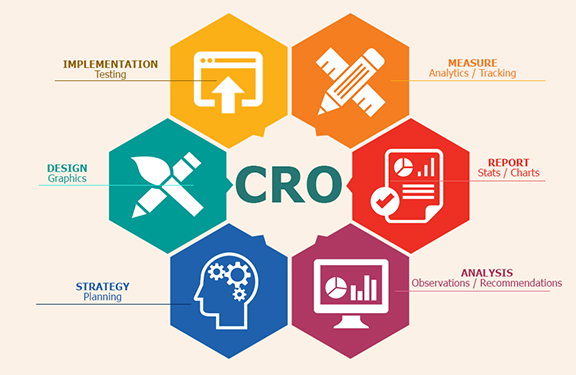
Conversion Optimization Tips:
- Place clear, benefit-driven CTAs (“Get a Quote,” “Talk to an Expert”) above the fold and throughout the page.
- Use contrasting button colors to draw attention without overwhelming the user.
- Minimize form fields – 3–4 fields typically maximize submissions while keeping friction low.
- Include testimonials, reviews, or client logos near CTAs to reinforce trust and credibility.
- Highlight value propositions near CTAs to clearly communicate benefits before action.
- Leverage visual cues such as directional arrows, whitespace, or contrasting sections to guide users toward CTAs.
3. Create SEO-Driven Content Architecture
Even the most visually stunning website won’t deliver results if it can’t be found by your target audience. An SEO-focused structure ensures your website attracts the right visitors organically – those who are actively searching for solutions you provide. For B2B businesses, this means carefully targeting industry-specific terms, decision-maker personas, and problem-solving keywords that align with your services and offerings.
SEO-driven content architecture also ensures your site is easy for search engines to crawl and for users to navigate. Organizing content into logical hierarchies, using clear URLs, and implementing internal linking all contribute to improved visibility, better rankings, and a more intuitive experience for your visitors. Combined with high-quality content, this approach positions your business as an authoritative source and drives qualified traffic to key conversion pages.
Best Practices:
- Optimize meta titles, descriptions, and header tags to match your target keywords and user intent.
- Implement strategic internal linking to connect related service pages, blog posts, and resource content.
- Use schema markup to enhance search result visibility, including rich snippets and knowledge panels.
- Develop topic clusters to organize content (e.g., Digital Marketing → SEO → Case Studies), improving site hierarchy and authority.
- Continuously audit content to remove outdated pages, consolidate overlapping topics, and strengthen keyword relevance.
By creating a well-structured, SEO-optimized website, you ensure long-term organic growth and increase the likelihood that high-intent users will find and engage with your content.
4. Enhance Credibility with Design and Messaging
B2B clients seek trust, proof, and reliability – not hype. Design and copy should communicate authority while remaining authentic. Subtle cues, such as professional visuals, well-written messaging, and logical site structure, can significantly impact how visitors perceive your brand.
Trustworthy design reduces friction in the buying process and positions your company as a capable and credible partner. Clear messaging, consistent branding, and well-placed social proof demonstrate that your business delivers real-world results, helping prospects feel confident in their decision to engage with your company.

Build Trust With:
- Detailed case studies and success stories showcasing measurable outcomes.
- Client logos, awards, certifications, and partnerships displayed strategically throughout the site.
- Professional photography, avoiding generic or overused stock images.
- Comprehensive “About” and “Team” pages that humanize your brand and highlight expertise.
- Clear and transparent messaging about services, pricing, and processes to reduce uncertainty.
When credibility is reinforced through both design and messaging, visitors are more likely to engage with your CTAs and enter your sales funnel confidently.
5. Optimize for Mobile and Accessibility
With over 60% of B2B research now occurring on mobile devices, your website must perform flawlessly across all screens. Accessibility is equally critical – ensuring your site can be used by everyone, including individuals with disabilities, is not just a compliance requirement but a reflection of professionalism and inclusivity.
Mobile-friendly and accessible websites improve user experience, lower bounce rates, and enhance SEO. Responsive design, fast loading speeds, and adaptive content layouts allow users to navigate your site easily, regardless of device or ability.
Technical Essentials:
- Implement responsive design to ensure seamless browsing on desktops, tablets, and smartphones.
- Compress images and leverage browser caching to improve load speeds without sacrificing quality.
- Follow WCAG accessibility guidelines for color contrast, font size, ARIA labels, and keyboard navigation.
- Regularly test your site across major browsers, devices, and assistive technologies.
- Ensure interactive elements (buttons, forms, links) are easy to use on touchscreens.
By prioritizing mobile and accessibility, you create a professional, inclusive website experience that maximizes engagement and broadens your reach.
6. Track, Test, and Refine Continuously
A great B2B website is never static. It evolves alongside user behavior, market trends, and business objectives. Regularly analyzing performance data allows you to identify what’s working, uncover gaps, and make informed updates that enhance both usability and conversion.
Testing different elements of your website, from headlines and CTAs to page layouts and imagery, helps optimize for better engagement and leads. By combining quantitative data from analytics with qualitative feedback from users, you create a cycle of continuous improvement that keeps your website performing at its best.

Measure & Improve:
- Track bounce rates, conversion rates, time-on-page, and session duration using Google Analytics, GA4, or similar tools.
- Use heatmaps and session recordings (Hotjar, Crazy Egg) to analyze user interactions and identify friction points.
- Run A/B tests for landing pages, CTAs, and form placements to maximize conversions.
- Gather user feedback through surveys, live chat, or usability testing to guide website updates.
- Periodically review analytics to adjust content strategy, navigation, and design based on evolving audience behavior.
Continuous tracking, testing, and refinement ensures your B2B website remains a high-performing lead-generation engine that adapts and grows with your business.
Leave a Reply