

Introduction
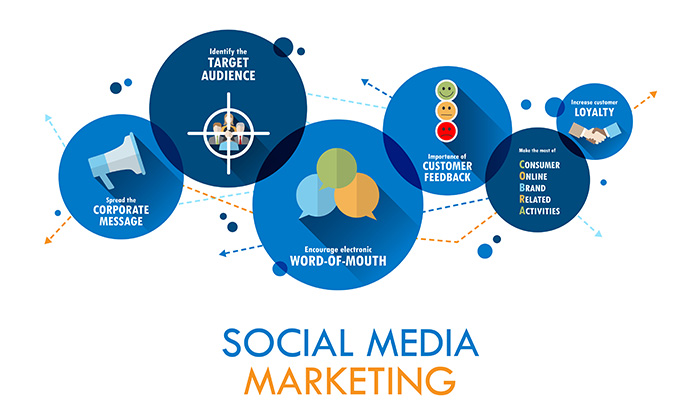
Social media is no longer just a tool for awareness; it has become a critical channel for generating leads, building communities, and establishing authority in the B2B space. Decision-makers now spend significant time on social platforms researching solutions, comparing vendors, and engaging with thought leaders. A robust social media strategy drives meaningful engagement with the right audience while nurturing long-term client relationships.
Beyond lead generation, social media offers unique opportunities for brand storytelling, employee advocacy, and community building. By consistently providing valuable insights, responding to questions, and showcasing expertise, B2B companies can establish themselves as trusted partners rather than just vendors.
This guide explores key strategies for leveraging social media to grow your B2B brand while maintaining credibility, fostering engagement, and achieving measurable ROI. From selecting the right platforms to creating high-value content and measuring performance, every step is designed to maximize impact in the complex B2B buying landscape.
1. Platform-Specific Targeting
Each social media platform serves a unique purpose in B2B marketing. Understanding the audience, content style, and engagement patterns for each platform ensures that your efforts reach the right people at the right time. Not all platforms yield the same results for every business, so a strategic approach is key.
For example, LinkedIn is highly effective for connecting with executives, decision-makers, and industry influencers, while niche communities and forums may offer more targeted engagement with specialized audiences. By tailoring content to platform norms and audience expectations, companies can maximize both reach and relevance.

Best Practices:
- LinkedIn: Ideal for professional networking, industry insights, and lead generation campaigns. Leverage features such as LinkedIn Articles, polls, and video updates for engagement.
- X (Twitter): Use for thought leadership, company updates, and participating in trending industry discussions. Hashtags, mentions, and Twitter Spaces can amplify your reach.
- Niche Communities: Engage in forums, groups, or Slack channels specific to your industry to gain visibility among highly targeted prospects. Answer questions, share resources, and participate in discussions to establish credibility.
Platform-specific targeting reduces wasted efforts and ensures that your content resonates with decision-makers in your niche. Additionally, integrating insights from each platform into a holistic social strategy allows brands to measure engagement and adjust campaigns for maximum performance.
2. Content that Engages
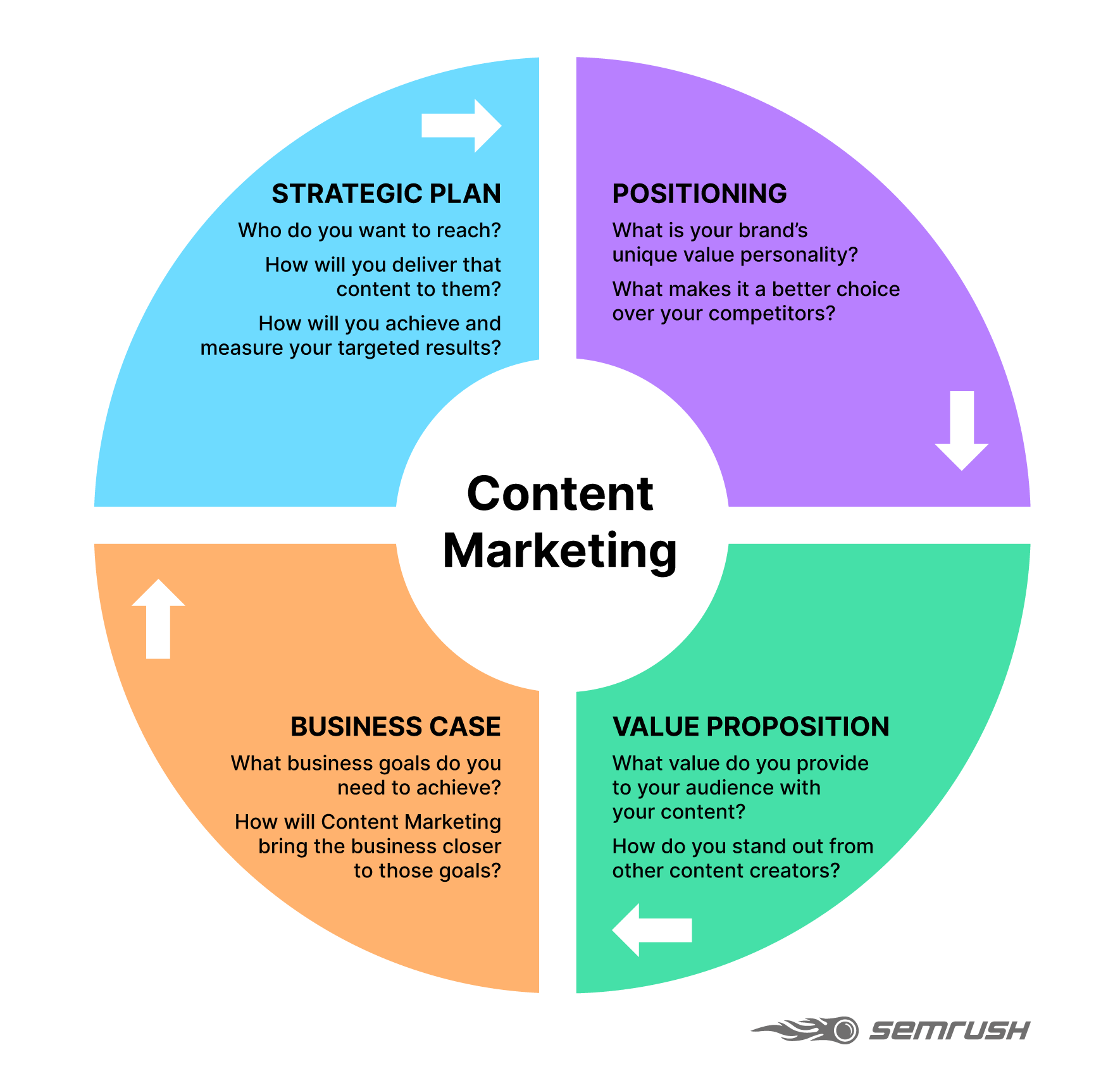
Content is the backbone of any social media strategy. For B2B brands, educational, insightful, and client-focused content drives engagement, builds authority, and nurtures prospects along the buying journey. High-quality content addresses real business challenges, provides actionable solutions, and demonstrates thought leadership.
Simply posting updates is not enough. Content must be tailored to the audience’s needs, leveraging formats that promote attention, retention, and sharing. Whether through long-form blog posts, short-form videos, interactive infographics, or downloadable guides, diverse content formats increase the likelihood of engagement and conversion.
Key Content Strategies:
- Post educational, value-driven insights that solve industry-specific problems, showing your brand as a trusted advisor.
- Use rich media like carousels, infographics, and videos to increase attention and shareability. Visual content tends to outperform text-only posts in engagement metrics.
- Showcase client success stories or case studies to strengthen credibility and social proof, demonstrating measurable impact.
- Maintain a consistent posting schedule to stay top-of-mind with your audience, balancing frequency with quality.
- Experiment with interactive content like polls, webinars, and live Q&A sessions to drive real-time engagement and insight collection.
Engaging content fosters trust and positions your brand as a thought leader, creating more opportunities for meaningful conversations with prospects. By focusing on value, clarity, and relevance, social media content can become a primary driver for lead generation and relationship building in the B2B space.
3. Analytics and Optimization
Tracking your social media performance is essential for understanding what works and where improvements are needed. Without a data-driven approach, social media efforts can be scattered and ineffective. Metrics like engagement rates, click-throughs, follower growth, and lead conversions provide a clear picture of which strategies resonate with your audience and which need adjustment.
Analytics also allows you to identify high-performing content, optimal posting times, and audience segments that are most responsive. By interpreting these insights, B2B marketers can refine messaging, format, and targeting strategies to maximize impact, improve ROI, and maintain consistent growth in engagement and lead generation.
Optimization Tips:
- Regularly analyze platform-specific analytics dashboards to track key metrics and uncover trends.
- Test different post formats, visuals, and messaging to optimize engagement and identify what resonates best with your audience.
- Use A/B testing for campaigns targeting high-value leads to determine the most effective creative and messaging.
- Refine your content strategy based on performance insights, adjusting frequency, content type, or platform focus as needed.
- Monitor competitor performance to benchmark your campaigns and discover potential opportunities for improvement.
Continuous optimization ensures that your social media efforts remain efficient, data-driven, and aligned with overarching business growth goals. It transforms social media from a cost center into a measurable engine for lead generation and client engagement.
4. Building Brand Authority
In B2B marketing, credibility and thought leadership are critical differentiators. A strong social media presence reinforces trust, showcases expertise, and positions your company as an industry leader. Consistently delivering valuable insights and engaging authentically with your audience establishes your brand as a reliable source of knowledge.
Brand authority is not just about visibility; it is about demonstrating competence, reliability, and insight in a way that builds confidence among prospects. Authority-driven social media efforts accelerate lead nurturing, shorten sales cycles, and increase the likelihood of repeat business from existing clients.
Strategies for Authority:
- Engage with industry leaders by commenting on trending topics, sharing insights, and participating in professional discussions.
- Publish original research, whitepapers, thought leadership articles, and data-driven insights to showcase expertise and create unique value.
- Encourage employees and executives to share company content, amplifying reach and providing authentic voices behind the brand.
- Respond promptly and professionally to comments, questions, and mentions to demonstrate reliability and attentiveness.
- Highlight client success stories and partnerships to build social proof and reinforce authority in your market.
A consistent focus on authority-building activities ensures that your B2B brand is not only visible but also respected, trusted, and top-of-mind when prospects are ready to make purchasing decisions.
5. Leveraging Paid Social Campaigns
While organic reach lays the foundation for engagement and credibility, paid social campaigns are essential for scaling your impact and precisely targeting high-value prospects. Paid efforts complement organic content by reaching audiences who may not yet be aware of your brand or are difficult to engage through organic posts alone.
Paid campaigns allow marketers to test messaging, drive traffic to gated content, retarget warm leads, and accelerate the buyer journey. When integrated with organic content strategies, they form a cohesive system that maximizes both visibility and conversion potential.
Paid Campaign Tips:
- Use LinkedIn Ads for account-based marketing (ABM), targeting decision-makers in specific companies or industries with personalized messaging.
- Retarget website visitors and past leads with relevant social ads to nurture them toward conversion.
- Set clear objectives and KPIs for each campaign, including metrics like CTR, lead form submissions, and cost per lead, to measure ROI effectively.
- Continuously test ad creatives, headlines, visuals, and copy to determine which combinations drive the best results.
- Integrate organic content with paid promotions to amplify reach, reinforce messaging, and maintain brand consistency.
When executed strategically, paid social campaigns accelerate the sales funnel, improve lead quality, and expand brand presence, making them a vital component of a modern B2B social media strategy.
Leave a Reply