

Introduction
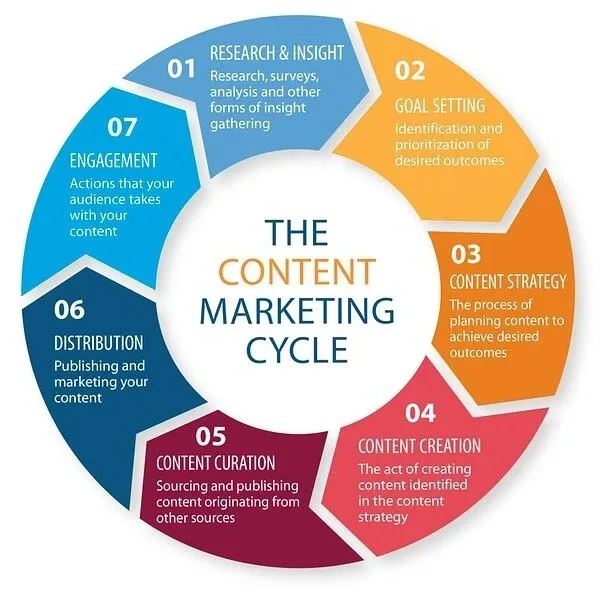
Content is more than just words on a page – it’s the strategic bridge between awareness and action that shapes how audiences discover, evaluate, and engage with a brand. In today’s highly competitive digital landscape, especially within B2B marketing, content plays a critical role in shaping perceptions, establishing authority, and building long-term trust before a sales conversation ever begins. Buyers now rely heavily on content to research solutions, validate decisions, and compare options, making high-quality content an essential driver of influence throughout the entire decision-making process.
Effective content must do more than simply inform or generate traffic. It should speak directly to decision-makers by addressing real-world operational challenges, strategic priorities, and measurable business outcomes. Strong content demonstrates expertise through clarity, relevance, and practical insight, while clearly communicating value at every stage of the buyer journey. From educating prospects at the top of the funnel to reinforcing confidence and reducing risk at the point of conversion, every piece of content should be intentionally designed to move the reader closer to action.
When executed strategically, content becomes a powerful growth engine that consistently delivers results. It attracts the right audience through relevance and visibility, nurtures meaningful engagement through trust and credibility, and ultimately turns interest into qualified leads and conversions. By aligning content with audience intent and business goals, organizations can transform their content into a high-performing lead-generation machine that produces measurable, sustainable growth over time.
1. Understanding Your Audience & Intent
Great content starts with empathy. Truly understanding your audience’s goals, pain points, challenges, and motivations allows you to create messaging that resonates on a deeper and more meaningful level. In B2B marketing, this goes beyond surface-level demographics and requires insight into how decision-makers think, what pressures they face, and how success is measured within their organizations. It often means addressing operational challenges, ROI expectations, efficiency concerns, and long-term strategic objectives, while positioning your content as a practical solution rather than generic information. When your message reflects a genuine understanding of these needs, it builds trust, strengthens credibility, and encourages engagement throughout the buyer journey.

How to Identify Buyer Intent:
- Develop detailed buyer personas that reflect industry, job role, and pain points.
- Use tools like Google Analytics, SEMrush, or HubSpot to identify content topics that resonate.
- Map each piece of content to a stage in the buyer journey – Awareness, Consideration, or Decision.
When your content aligns with audience intent, it feels relevant and timely – increasing engagement and conversions naturally.
2. Creating High-Value, Search-Optimized Content
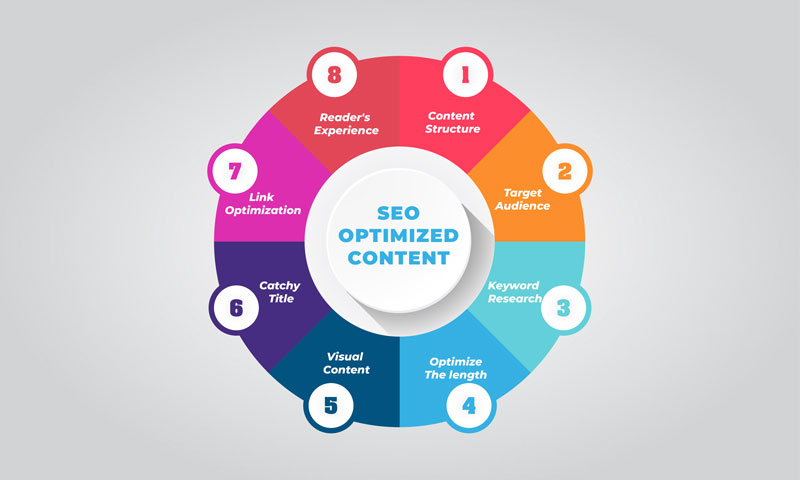
SEO and storytelling go hand-in-hand, forming the twin engines that make content both discoverable and memorable. While search optimization ensures that your content reaches the right audience through search engines, storytelling transforms that content into a compelling experience that captures attention, resonates emotionally, and drives engagement. Effective content should not only educate readers about your products, services, or industry insights, but also inspire them by connecting to their challenges, goals, and aspirations. By weaving narratives that illustrate real-world applications, successes, and lessons learned, you build trust and credibility while guiding readers seamlessly through a journey that encourages further exploration and interaction with your brand. The combination of strategic keyword use, structured content, and authentic storytelling ensures your content delivers value, ranks effectively, and leaves a lasting impression on your audience.
Key Techniques:
- Incorporate relevant long-tail keywords naturally throughout your copy.
- Use compelling headlines that spark curiosity and promise value.
- Add internal links to related blogs or service pages to guide readers deeper.
- Structure your articles with clear subheadings, bullet points, and visuals for easy reading.
SEO-optimized content not only drives traffic but also attracts high-intent users ready to take action – making every post a conversion opportunity.
3. Crafting Conversion-Focused Messaging
Every great piece of content is intentionally designed to guide readers toward a meaningful goal, providing value at each step of their journey. Whether the objective is downloading an eBook, scheduling a product demo, signing up for a newsletter, or exploring a case study, your content should clearly communicate the next step while offering tangible benefits to the reader. By thoughtfully incorporating calls-to-action that align with the reader’s needs and intentions, you not only drive engagement but also create a seamless experience that builds trust, reinforces credibility, and positions your brand as a helpful, authoritative partner. The subtle combination of guidance, insight, and actionable next steps ensures that your content delivers measurable results while maintaining relevance and value throughout the buyer journey.

Best Practices:
- Include clear, benefit-driven calls-to-action (CTAs) that align with the reader’s intent.
- Use storytelling to create emotional engagement – not just data points.
- Offer downloadable guides or case studies to collect qualified leads.
- Test CTA placements and phrasing using analytics tools to see what converts best.
Remember – the goal of content is not just traffic, but meaningful engagement that fuels business growth.
4. Measuring Performance and Improving Continuously
Successful content marketing is built on continuous iteration and informed decision-making. Regularly analyzing content performance allows you to understand what resonates with your audience, which topics drive engagement, and which formats lead to conversions. By leveraging analytics tools to track key metrics such as traffic, time-on-page, social shares, click-through rates, and lead generation, you can identify patterns, uncover gaps, and refine your strategy for maximum impact. This iterative approach ensures that your content remains relevant, highly targeted, and aligned with business goals, transforming each piece into a measurable, ROI-driven asset that supports sustained growth and strengthens your overall marketing performance over time.
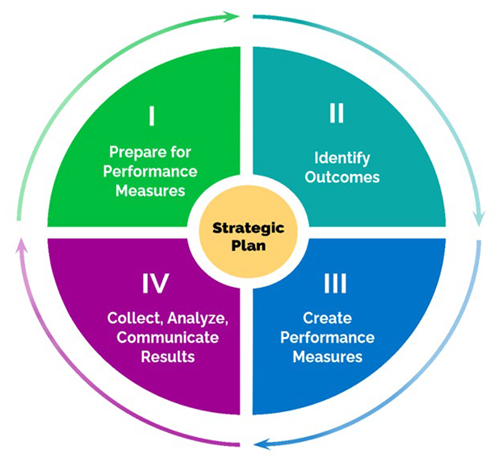
- Track engagement metrics – such as average read time, shares, and click-through rates.
- Use heatmaps to see how readers interact with your pages.
- Double down on topics and formats that yield the highest conversions.
- Update evergreen content periodically to maintain strong rankings.
By refining content continuously, you create a living digital asset that keeps performing long after it’s published.
Leave a Reply