

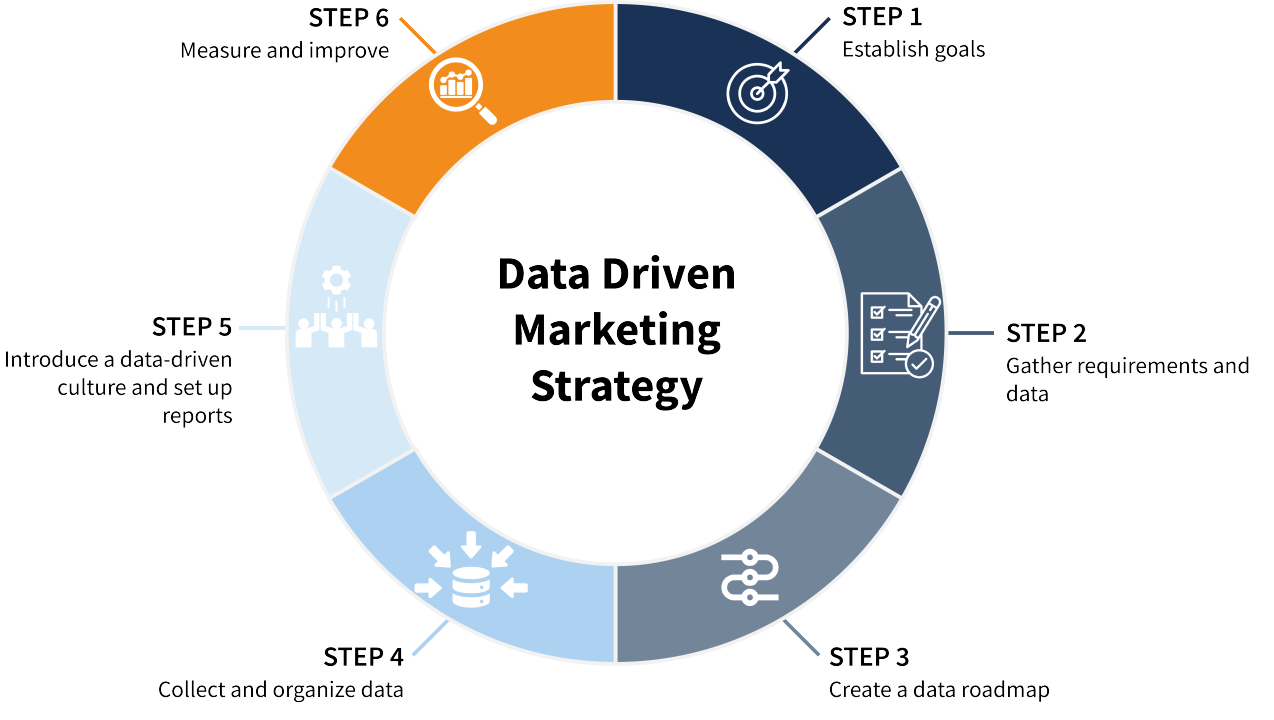
Introduction
Data is the backbone of modern marketing, forming the foundation upon which every strategic decision is built. When leveraged thoughtfully and systematically, it allows organizations to transform raw information into actionable insights that directly guide business strategy, campaign optimization, and audience engagement. By analyzing trends, tracking behavior across multiple channels, and uncovering patterns in customer interactions, marketers gain the intelligence needed to identify growth opportunities, anticipate challenges, and make decisions that are both timely and impactful. Understanding your data goes beyond simply collecting metrics-it involves interpreting context, connecting disparate sources, and translating complex analytics into clear strategies that align with audience needs and overarching business objectives. When analytics are transformed into purposeful action, organizations can deliver hyper-relevant customer experiences, optimize campaigns for maximum efficiency, allocate resources intelligently, and ultimately achieve measurable ROI across all marketing channels. In a landscape where personalization, speed, and precision define competitive advantage, mastering data-driven marketing is no longer optional-it is essential for sustained success and meaningful growth.
1. Collecting the Right Data
The first and most critical step in data-driven marketing is capturing the right data, ensuring that every subsequent strategy is informed by accurate, relevant, and actionable information. This process involves integrating multiple data sources-such as CRM platforms, website analytics, email engagement metrics, social media insights, transactional records, and direct customer feedback-into a unified system that provides a holistic view of the customer journey. Collecting data without proper context or quality control can lead to misleading conclusions, wasted resources, and missed opportunities. Accurate, high-quality data not only allows marketing teams to measure performance effectively but also enables segmentation, trend analysis, and predictive modeling. By systematically capturing and validating information, organizations can uncover patterns in customer behavior, identify high-value touchpoints, anticipate needs, and design campaigns that are precise, relevant, and highly effective. Ultimately, this ensures that every marketing decision is grounded in evidence rather than assumption, setting the stage for measurable growth and a more strategic, data-driven approach across all channels.
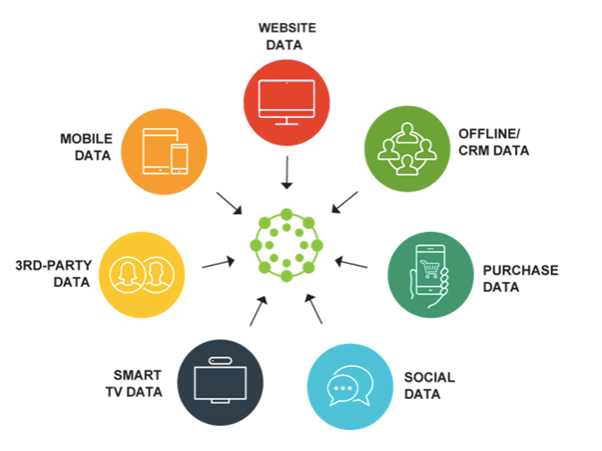
- Integrate CRM, analytics, and social data sources.
- Track key touchpoints across the buyer journey.
- Ensure data quality with validation systems and routine audits.
2. Turning Insights into Strategy
Data only becomes truly valuable when it is carefully interpreted and seamlessly applied to marketing strategy. Raw metrics on their own-such as impressions, clicks, or page views-offer limited insight unless they are analyzed in context and connected to specific business objectives. By examining performance across campaigns, channels, and audience segments, marketers can identify which tactics are driving measurable results and which initiatives need adjustment or optimization. Insights derived from analytics empower teams to allocate resources more effectively, refine messaging to resonate with target audiences, and tailor campaigns for maximum engagement and conversion. This process also enables predictive and proactive decision-making, allowing marketing teams to anticipate trends, respond to shifts in consumer behavior, and pivot strategies quickly in a competitive environment. By translating complex data into actionable strategic guidance, organizations can ensure that every campaign is intentional, outcome-focused, and aligned with overarching business goals, ultimately maximizing both performance and ROI.
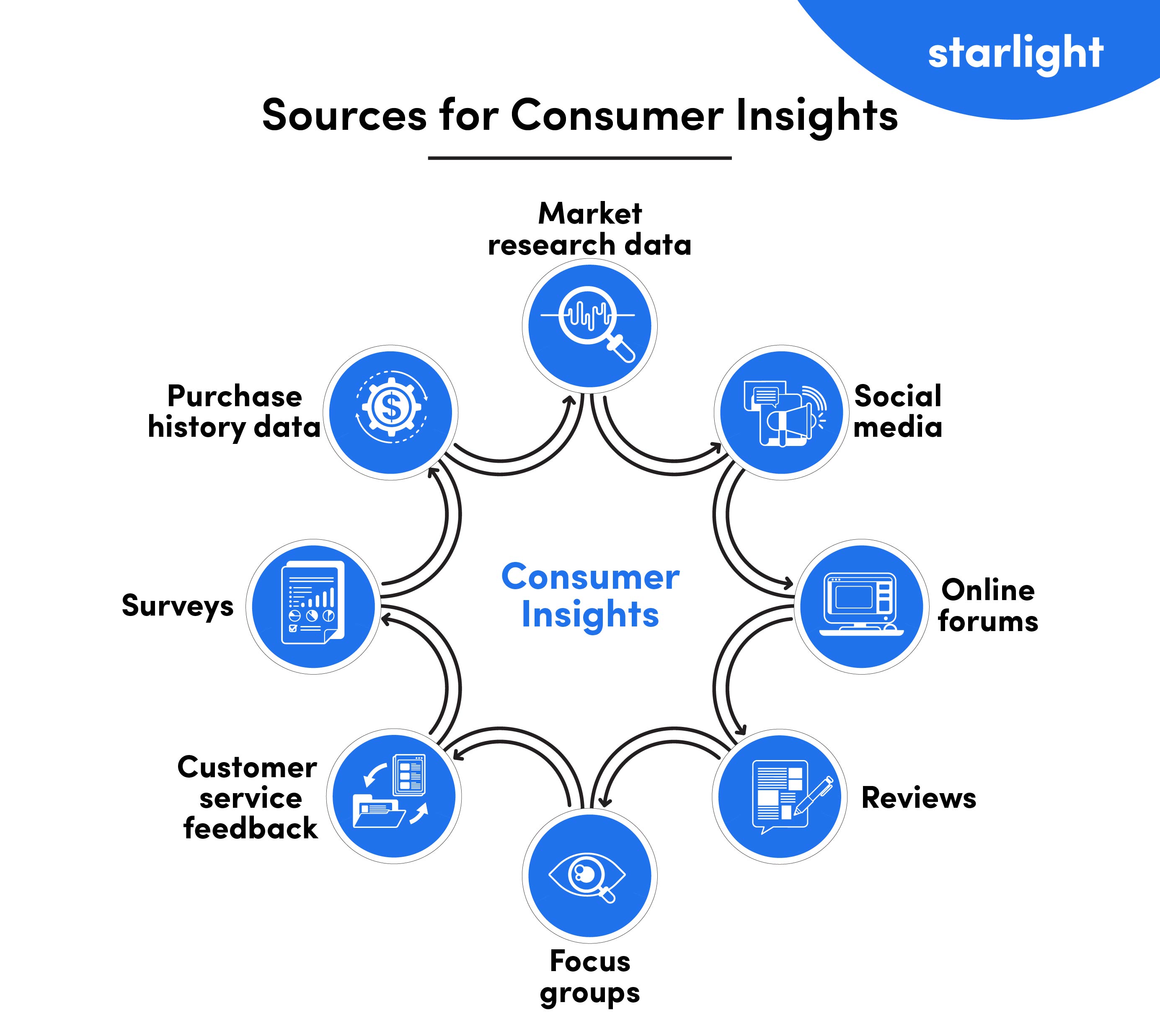
- Identify high-performing channels and campaigns.
- Use dashboards to track KPIs in real time.
- Pivot strategy based on engagement trends and emerging insights.
3. Personalization at Scale
Leveraging data effectively enables marketers to deliver highly personalized experiences at scale, turning generic campaigns into targeted communications that speak directly to individual customer needs, preferences, and behaviors. By segmenting audiences based on behavioral patterns, demographic information, purchase history, and engagement interactions, marketers can craft messages and content that resonate deeply with each segment, increasing relevance and building stronger connections. Personalized campaigns not only improve open rates, click-throughs, and overall engagement, but also enhance customer loyalty by demonstrating that the brand understands and anticipates individual needs. Beyond segmentation, dynamic content delivery-such as tailored emails, personalized landing pages, and recommendation engines-ensures that each user receives a unique experience that feels thoughtful and contextually relevant. Continuous testing, optimization, and monitoring of personalized campaigns help refine messaging over time, ensuring that communications remain effective, impactful, and aligned with evolving audience behaviors and market trends. When executed well, personalization at scale transforms marketing from a broad broadcast into a precise, meaningful, and results-driven experience.
- Segment your audience using behavioral and demographic data.
- Use dynamic content in emails and landing pages.
- Test personalized messaging continuously to optimize engagement.
4. Measuring Success with KPIs
Tracking key performance indicators (KPIs) is critical for ensuring that marketing initiatives deliver measurable, tangible results. By monitoring metrics such as conversion rates, click-through rates, customer acquisition costs, lifetime value, engagement rates, and overall ROI, marketers gain a clear understanding of what is driving success and where improvements are needed. These insights provide an objective framework for evaluating campaign performance, identifying high-performing channels, and recognizing underperforming efforts that may require adjustment. Continuous measurement and analysis not only allow teams to refine and optimize campaigns in real time, but also support data-driven decision-making, reducing reliance on assumptions or guesswork. Over time, this iterative approach enhances operational efficiency, ensures resources are allocated effectively, and empowers organizations to maximize results while consistently improving the quality and impact of their marketing strategies. When KPIs are closely monitored and acted upon, marketing transforms from a series of isolated activities into a strategic, measurable, and growth-focused engine.

- Monitor conversion rates, click-through rates, and ROI.
- Use A/B testing to refine campaigns.
- Continuously iterate based on actionable insights.
5. Future of Data-Driven Marketing
The future of marketing is being fundamentally reshaped by artificial intelligence (AI), automation, and predictive analytics, enabling organizations to move beyond reactive strategies toward proactive, anticipatory approaches. These technologies empower marketers to analyze vast datasets in real time, uncover patterns that would be impossible to detect manually, and predict customer needs and behaviors before they occur. By combining historical performance data with AI-driven insights, companies can create highly adaptive marketing strategies that dynamically respond to shifting customer preferences, engagement trends, and market conditions. This allows for the delivery of hyper-relevant, personalized content, more precise targeting of campaigns, and continuous optimization across all channels. Organizations that leverage these tools effectively can increase engagement, improve customer retention, enhance operational efficiency, and gain a sustainable competitive advantage in an increasingly crowded digital landscape.
- Leverage predictive analytics to forecast trends and behavior: Use historical and real-time data to anticipate customer needs, identify emerging opportunities, and proactively adjust marketing strategies.
- Automate campaign optimization across channels for efficiency: Implement AI-driven automation to manage content distribution, bidding strategies, and audience targeting, freeing teams to focus on strategy and creative innovation.
- Integrate AI-driven insights to deliver real-time personalization at scale: Use machine learning algorithms to tailor messaging, offers, and content dynamically, ensuring each customer receives the most relevant experience possible at the right time.
Leave a Reply