

Introduction
Email marketing remains one of the most effective and cost-efficient channels in B2B marketing, consistently delivering high ROI when executed correctly. Unlike one-off campaigns, automation enables marketers to create ongoing, personalized conversations that adapt to subscriber behavior and engagement over time. These automated interactions help nurture leads, strengthen customer relationships, and maintain brand relevance throughout the entire customer journey.
In this guide, we explore how smart segmentation, automated workflows, personalization, and performance analytics can be combined to build scalable email marketing systems that save time, improve engagement, and drive long-term loyalty.
1. Smart Segmentation
Segmentation is the foundation of effective email marketing automation. By dividing your audience into meaningful groups based on behavior, interests, demographics, or engagement history, you can ensure that each message is relevant and timely. Well-executed segmentation reduces inbox fatigue, improves open and click-through rates, and increases overall campaign effectiveness.
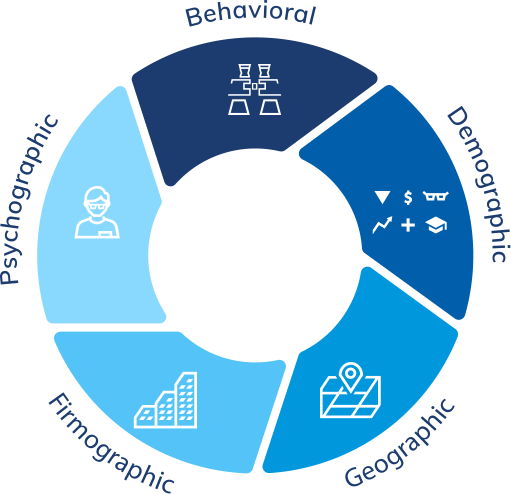
- Segment leads based on interests, browsing behavior, and previous interactions.
- Use CRM and customer data to personalize messaging and content recommendations.
- Target subscribers at different stages of the buyer journey with relevant messaging.
- Improve engagement and ROI by sending fewer but more relevant emails.
2. Automated Workflows
Automated workflows allow marketers to deliver consistent, timely communication without manual effort. These workflows are triggered by user actions or predefined conditions, ensuring that subscribers receive the right message at the right moment. Automation supports lead nurturing, onboarding, retention, and re-engagement strategies while freeing teams to focus on strategy and creativity.
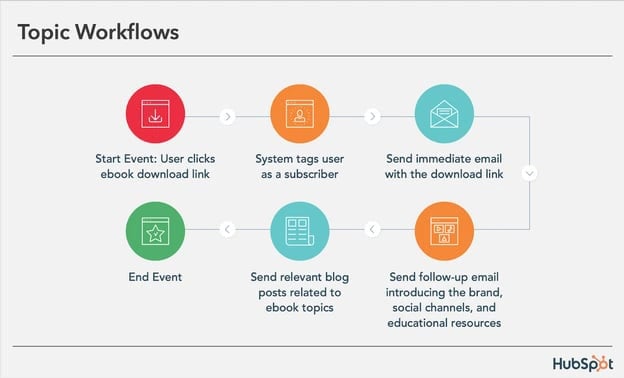
- Send personalized welcome emails immediately after subscription.
- Trigger follow-ups based on actions such as downloads, clicks, or page visits.
- Create drip campaigns that nurture leads over extended periods.
- Automatically re-engage inactive subscribers with targeted messaging.
3. Analytics and Optimization
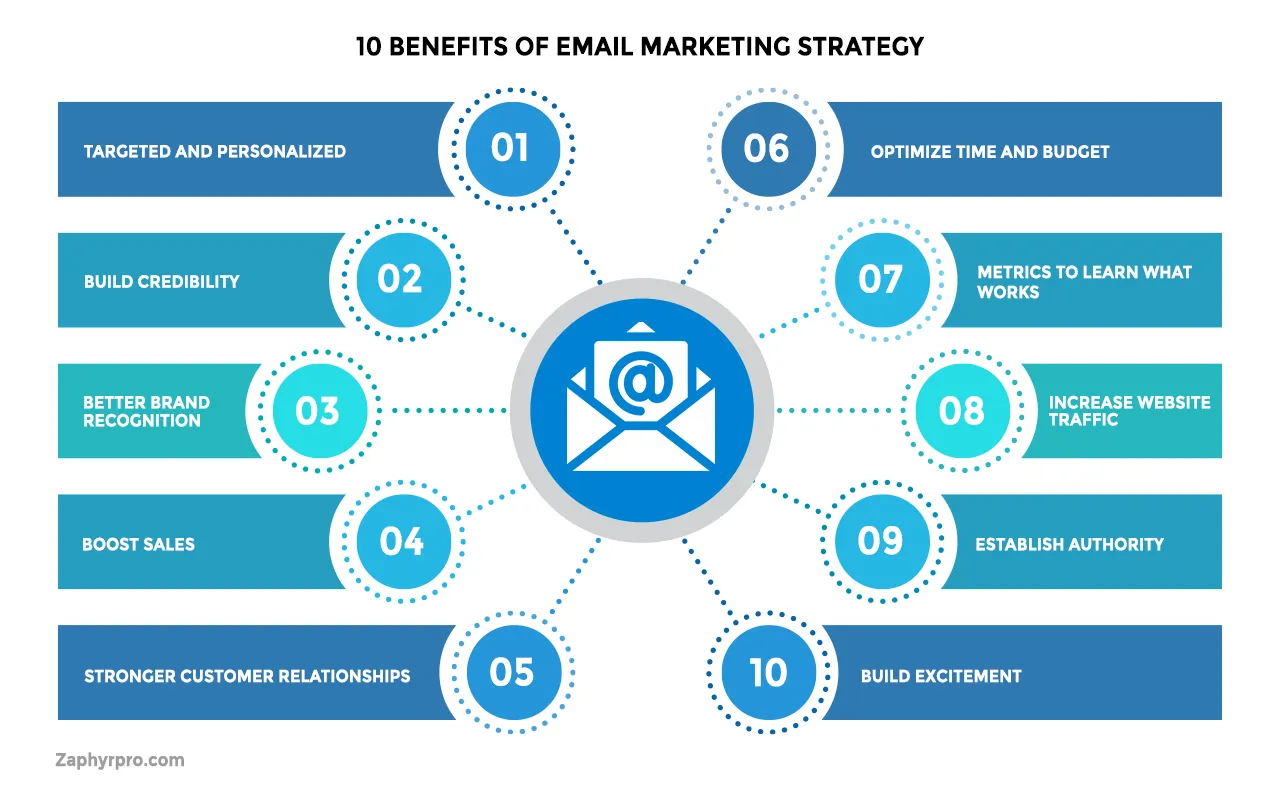
Data-driven optimization is critical to maximizing the impact of email marketing automation. By tracking performance metrics such as open rates, click-through rates, conversions, and engagement trends, marketers can identify what works and what needs improvement. Continuous analysis enables informed decisions that improve campaign efficiency and long-term results.
- Monitor open rates, click-through rates, and conversions regularly.
- A/B test subject lines, content formats, CTAs, and send times.
- Analyze engagement patterns to refine messaging and frequency.
- Use insights to improve ROI and long-term campaign performance.
4. Personalization at Scale
Personalization is no longer optional in B2B email marketing. Automation and dynamic content make it possible to deliver personalized experiences to thousands of subscribers simultaneously. When emails reflect individual preferences, behaviors, and needs, they feel more human, relevant, and valuable-leading to stronger engagement and loyalty.
- Use merge tags for names, locations, and company information.
- Recommend content or products based on past behavior and engagement.
- Adjust messaging based on subscriber activity levels.
- Ensure automation enhances relevance rather than feeling robotic.
Leave a Reply