

Introduction
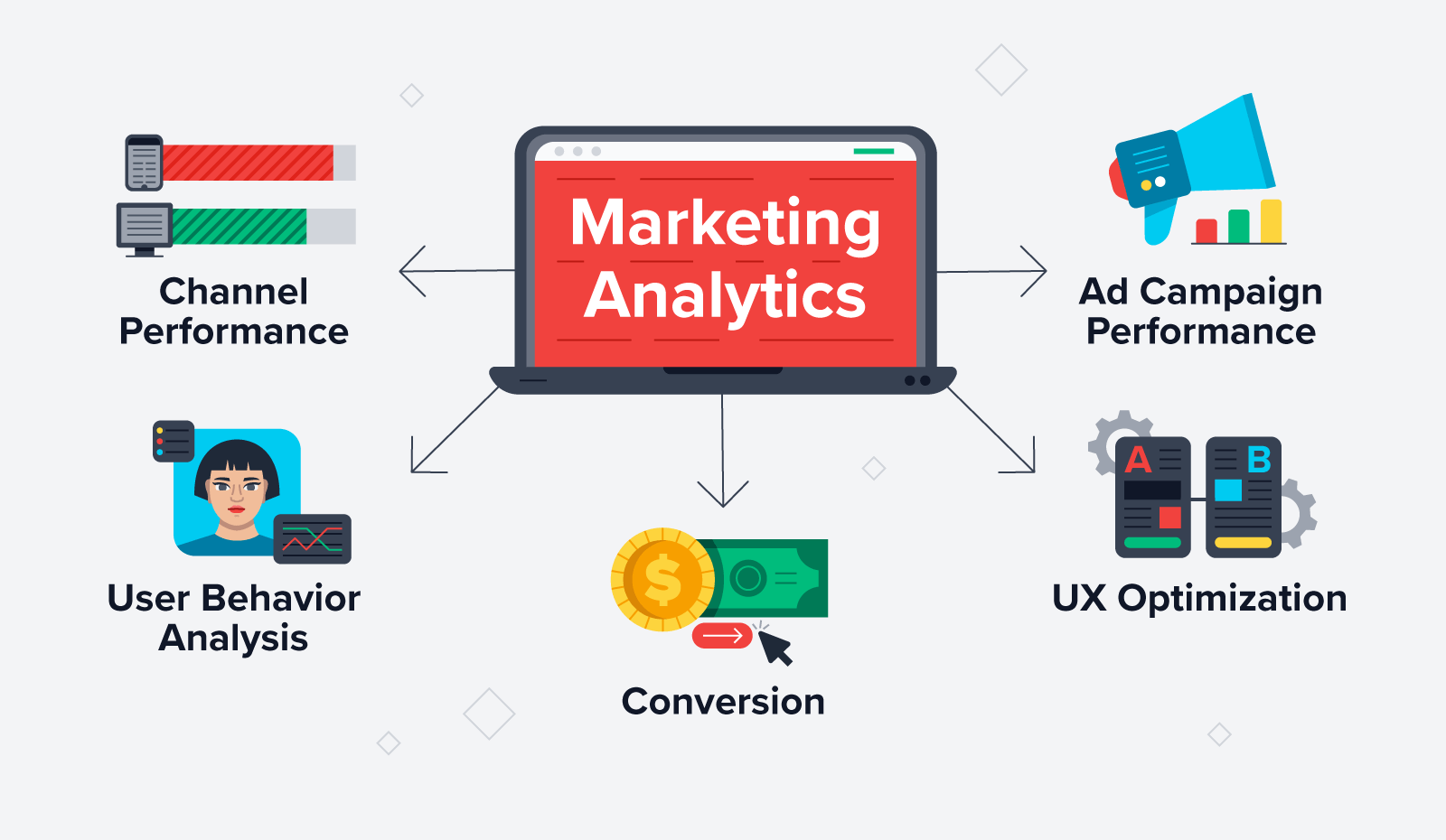
Marketing analytics transforms raw data into actionable insights, allowing businesses to understand what drives engagement, leads, and revenue. By measuring and optimizing key metrics, companies can maximize ROI and make informed decisions across their marketing funnel.
By implementing structured analytics, businesses gain visibility into campaign performance, identify opportunities for optimization, and measure the impact of marketing initiatives on revenue growth. Analytics empowers marketers to move beyond guesswork, ensuring that every marketing dollar is strategically allocated to maximize results.
In this guide, we explore the core principles of marketing analytics, from identifying key metrics to leveraging predictive insights, visualizing results for stakeholders, and continuously refining campaigns for measurable growth.
1. Track the Right Metrics
Effective marketing begins with measurement. Knowing which metrics truly reflect business impact is critical for driving performance, justifying budget allocation, and guiding strategic decisions. Not all metrics are created equal—focusing on vanity metrics like page views without understanding conversion impact can lead to wasted efforts and resources.
By identifying the metrics that directly influence your business outcomes, marketing teams can align campaigns with revenue goals and track progress more meaningfully. Regular monitoring ensures teams can spot trends, uncover issues early, and replicate successes across channels.
Essential Metrics:
- Engagement rates: Monitor likes, shares, comments, and click interactions to assess audience interest and content resonance. High engagement often signals strong relevance and brand awareness.
- Click-through rates (CTR): Determine the effectiveness of your calls-to-action, email campaigns, and landing pages. Low CTR may indicate messaging or targeting issues.
- Customer lifetime value (CLV): Understand the long-term revenue potential of customer segments and focus efforts on high-value audiences.
- Lead-to-customer conversion rates: Track how effectively leads move through the funnel, identifying bottlenecks and opportunities for optimization.
- Cost per acquisition (CPA): Measure the cost efficiency of each campaign or channel, ensuring marketing spend delivers measurable returns.
- Retention and churn rates: High retention signals satisfaction and loyalty, while churn indicates areas for improvement in product, service, or engagement strategy.
Focusing on the right metrics ensures marketing teams are aligned with business objectives, enabling more strategic decision-making, smarter budget allocation, and sustainable ROI growth over time.
2. Use Data to Refine Campaigns
Data-driven decision-making allows marketers to continuously improve campaign performance by identifying what’s working, what isn’t, and why. By leveraging insights from previous campaigns, teams can make informed adjustments rather than relying on guesswork or assumptions.
Refining campaigns with real data helps optimize targeting, messaging, creative, and budget allocation. It ensures marketing efforts are more precise, reduces wasted spend, and improves overall customer experience across touchpoints.
Tips for Campaign Refinement:
- Segment audiences based on behavior, demographics, purchase history, and engagement patterns for personalized campaigns.
- Test multiple messaging variations, creative visuals, and distribution channels to identify what resonates best with each segment.
- Reallocate budget toward campaigns demonstrating the highest ROI and engagement, scaling successes while reducing underperforming investments.
- Continuously monitor KPIs in real time to ensure marketing strategies remain aligned with evolving business objectives.
- Use historical performance data to inform seasonal campaigns, market trends, and trend-based adjustments for higher accuracy.
- Document lessons learned from each campaign to refine future initiatives and avoid repeating mistakes.
By systematically refining campaigns using data, marketers can maximize impact, improve audience experience, and achieve better alignment between marketing activities and business outcomes.
3. Leverage Predictive Analytics
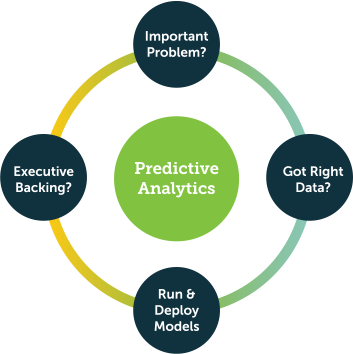
Predictive analytics transforms historical data into actionable forecasts, enabling businesses to anticipate customer behavior, optimize marketing strategies, and proactively respond to trends. Rather than reacting to outcomes, companies can predict future patterns and act ahead of the competition.
With predictive analytics, businesses gain a competitive advantage by identifying high-potential leads, optimizing resource allocation, and minimizing risks associated with churn or underperforming campaigns.
Applications:
- Anticipate customer churn and implement retention strategies before losses occur, improving loyalty and revenue predictability.
- Predict which leads are most likely to convert, allowing sales and marketing teams to prioritize high-value prospects effectively.
- Forecast sales trends to optimize marketing spend, campaign timing, and product promotions for maximum ROI.
- Identify emerging opportunities in the market, such as new segments, underserved demographics, or trending content topics.
- Enhance personalization by tailoring campaigns and offers based on predicted behavior, increasing engagement and conversions.
Leveraging predictive analytics empowers marketers to move from reactive strategies to proactive, insight-driven campaigns, resulting in more precise targeting, better allocation of resources, and measurable performance improvements.
4. Visualize Insights for Stakeholders
Visual representation of marketing data transforms complex metrics into clear, actionable insights. Dashboards, charts, and infographics enable teams and executives to quickly interpret results, spot trends, and make informed decisions. Without proper visualization, even the best analytics can be overwhelming and underutilized.
Effective visualization helps align cross-functional teams by ensuring everyone sees the same story. It allows marketers, sales leaders, and executives to identify areas of success, uncover bottlenecks, and plan strategic initiatives with confidence. Visual tools also enhance transparency, making it easier to communicate performance and justify investment in marketing efforts.

Visualization Tips:
- Create dashboards displaying real-time KPIs, revenue metrics, and marketing performance for easy access.
- Use charts, graphs, and heatmaps to highlight trends, spikes, and areas that need attention.
- Keep visuals simple, avoiding unnecessary clutter while emphasizing actionable information clearly.
- Tailor reports to the audience—executives may prefer high-level summaries, while analysts benefit from detailed drill-downs.
- Incorporate color coding and visual hierarchy to make trends and insights immediately apparent.
- Regularly update visualizations to reflect current data and ensure decisions are based on the latest insights.
By leveraging effective visualization, organizations can translate raw data into compelling stories that drive strategic decisions, foster collaboration, and ensure marketing efforts are aligned with business goals.
5. Continuous Improvement Through Analytics
Marketing analytics is not a one-time activity—it’s a continuous cycle of measurement, learning, and optimization. By regularly analyzing performance, businesses can refine strategies, anticipate trends, and outperform competitors while maximizing ROI.
Continuous improvement ensures that campaigns remain relevant, efficient, and aligned with evolving business objectives. Combining quantitative analytics with qualitative feedback allows marketers to understand not only what is happening, but why it is happening, enabling smarter decisions across channels and campaigns.
Continuous Improvement Practices:
- Conduct weekly, monthly, and quarterly performance reviews to assess KPIs, campaign results, and overall marketing effectiveness.
- Run systematic A/B tests to validate messaging, design elements, calls-to-action, landing pages, and email campaigns.
- Align insights with overarching business objectives, ensuring marketing strategies deliver measurable outcomes and support revenue growth.
- Document lessons learned, best practices, and successful tactics to maintain organizational knowledge and improve future campaigns.
- Iteratively refine content, creative, and targeting based on performance data and evolving audience preferences.
- Leverage predictive and prescriptive analytics to anticipate trends and proactively adjust strategies for maximum impact.
By embedding continuous improvement into your marketing analytics process, businesses turn data into a strategic advantage. This ensures marketing efforts remain dynamic, evidence-based, and optimized to generate sustainable growth over time.
Leave a Reply