

Introduction
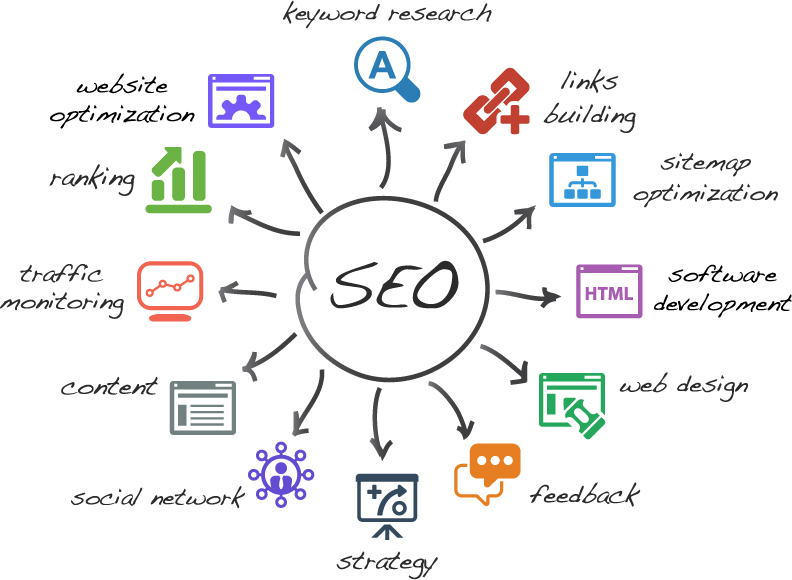
SEO remains the foundation of online success for B2B companies. Unlike paid ads, organic visibility compounds over time-improving traffic quality, trust, and lead generation. Strategic SEO builds long-term digital strength by increasing visibility, credibility, and engagement across multiple channels.
In today’s competitive B2B landscape, buyers conduct extensive research before making purchasing decisions. Organic search often serves as the first touchpoint in the buyer journey, helping prospects discover solutions, compare providers, and evaluate expertise. Investing in SEO ensures your business is present in these critical moments, positioning your brand as a trusted authority.
Moreover, unlike short-term paid campaigns, the benefits of SEO accumulate over time. High-quality content, optimized pages, and technical best practices create a strong foundation for ongoing growth, attracting qualified leads while reinforcing brand authority. When executed consistently, SEO not only drives traffic but also fosters trust, nurtures prospects, and generates sustainable business value.
1. On-Page SEO Optimization
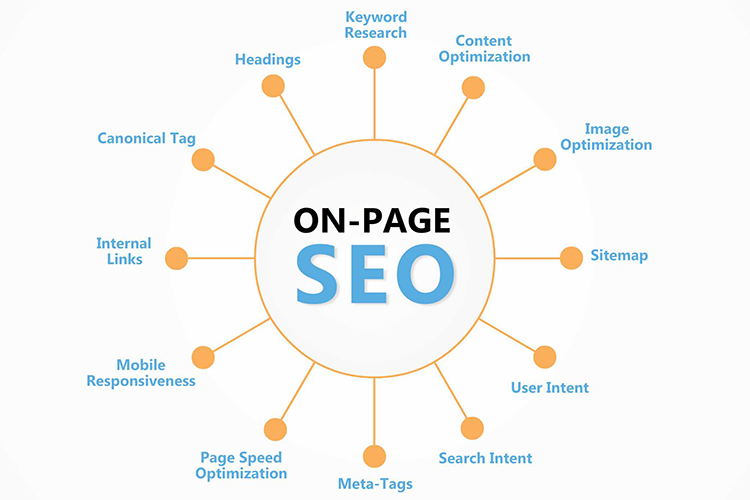
Fine-tuning on-page elements ensures your website communicates effectively with both users and search engines. Properly optimized pages improve rankings, user experience, and conversion potential. On-page SEO forms the bridge between your content strategy and the practical signals search engines rely on to understand your website.
Every page should clearly indicate its purpose through titles, headings, and structured content. Thoughtful placement of keywords, metadata, and internal links helps search engines index your pages accurately while enhancing user comprehension. Additionally, on-page optimization supports accessibility and mobile-friendliness, crucial factors for modern SEO success.
Key Actions:
- Use keyword-rich meta titles and descriptions aligned with search intent, making them compelling for both users and bots.
- Structure content with H1-H3 headings for clarity, logical flow, and SEO benefit.
- Implement internal linking to guide users to related content and distribute SEO equity across pages.
- Ensure mobile responsiveness, fast load times, and optimized images to enhance user experience and rankings.
- Use schema markup for rich snippets, including FAQs, products, and reviews, to improve visibility in search results.
- Optimize URL structure to be descriptive, concise, and keyword-focused for both SEO and usability.
On-page SEO is an ongoing process. Regularly review pages, refresh content with updated keywords, and monitor performance metrics to maintain and improve rankings over time.
2. Technical SEO & Site Health
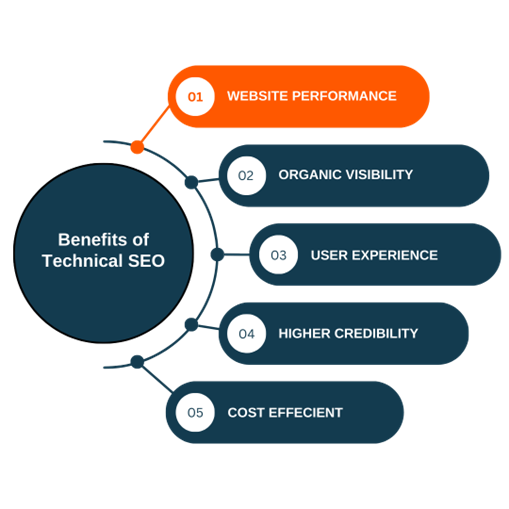
Search engines reward technically sound websites that provide smooth navigation, fast performance, and security. Maintaining optimal site health ensures search bots can index content efficiently and users have a seamless experience.
Technical SEO covers all the backend elements that make a website crawlable, indexable, and user-friendly. Even the best content can struggle to rank if the site has slow load times, broken links, or crawl errors. Ensuring proper site structure, HTTPS security, and mobile compatibility creates a solid foundation for SEO success.
Optimization Checklist:
- Implement SSL certificates and secure protocols (HTTPS) to protect user data and improve rankings.
- Fix crawl errors, broken links, and optimize robots.txt and sitemap.xml files for efficient indexing.
- Regularly audit Core Web Vitals: LCP, CLS, and FID for better UX and SEO performance.
- Use canonical tags to prevent duplicate content issues and consolidate ranking signals.
- Enable structured data and AMP for mobile-first indexing and enhanced search features.
- Ensure proper redirects (301s) and remove outdated URLs to maintain link equity and avoid 404 errors.
Technical SEO is critical for scaling and maintaining organic performance. Routine audits and corrective actions help your site stay competitive in search results while delivering a seamless experience to visitors.
3. Link Building & Authority Growth
Backlinks remain one of the most powerful ranking signals. Focusing on high-quality, relevant links increases authority, trust, and discoverability in search engines. A strong backlink profile signals credibility to both search engines and potential clients.
Not all links are created equal. Prioritize links from authoritative, relevant sites in your industry over volume-based approaches. Quality link-building efforts support domain authority, improve rankings for target keywords, and increase referral traffic from engaged audiences.
Effective Strategies:
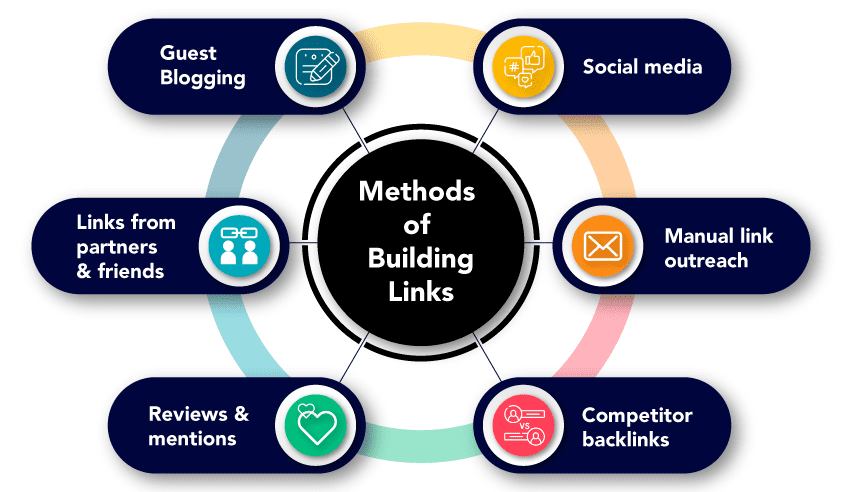
- Collaborate on guest blogs and contribute to authoritative industry sites to gain valuable backlinks.
- Leverage digital PR for brand mentions, press coverage, and citations from trusted sources.
- Build a robust internal linking structure to distribute link equity and improve the usability of your site.
- Create shareable content, such as whitepapers, case studies, infographics, and interactive tools, that naturally attract backlinks.
- Monitor competitor backlinks using SEO tools and pursue similar high-quality opportunities.
- Engage in partnerships with relevant organizations for co-authored content or sponsorships to earn authoritative links.
Consistent, high-quality link-building efforts enhance your site’s visibility and authority, helping you rank higher for competitive keywords while also driving referral traffic from engaged audiences.
4. Content Strategy for B2B SEO
High-quality content drives both search visibility and lead generation in B2B markets. Effective content educates, builds authority, and guides prospects through every stage of the buyer journey, from awareness to consideration and finally decision-making.
B2B buyers are often researching complex solutions that require trust and credibility. Well-structured content addresses their pain points, answers questions, and demonstrates your expertise in a way that resonates with decision-makers. Combining strategic SEO with engaging content ensures your material is discoverable, relevant, and persuasive.
A strong content strategy aligns topics, formats, and messaging with buyer personas and keyword intent. It leverages thought leadership, actionable insights, and practical guidance to create content that not only ranks well but also generates measurable business results.
Content Recommendations:
- Develop long-form, insightful blog posts targeting specific buyer personas and industry pain points, including actionable advice and case studies.
- Create downloadable resources: whitepapers, eBooks, guides, and checklists that provide deep value and capture leads.
- Update old content regularly to maintain relevance, fix broken links, refresh keywords, and improve rankings.
- Use case studies and success stories to demonstrate expertise, build trust, and highlight measurable results.
- Incorporate multimedia content such as videos, charts, infographics, and interactive tools to increase engagement and shareability.
- Map content to the buyer journey, ensuring there’s relevant material for top, middle, and bottom-funnel stages.
- Optimize content for featured snippets and voice search by providing clear, concise answers to frequently asked questions.
By following these recommendations, content becomes a long-term asset that improves SEO visibility, nurtures leads, and positions your brand as an authoritative voice in your industry.
5. Analytics, Reporting & Continuous Improvement
Monitoring SEO performance enables continuous refinement of strategies and ensures maximum ROI. By analyzing data, marketers can identify content that performs well, areas that need improvement, and emerging trends that present new opportunities.
SEO is not a one-time effort; it requires ongoing observation and adjustment. Tracking metrics such as organic traffic, keyword rankings, conversion rates, and user engagement provides actionable insights that inform content creation, technical adjustments, and link-building efforts.
Establishing a regular reporting cadence—monthly or quarterly—allows teams to measure progress, benchmark performance, and make data-driven decisions that enhance both short-term results and long-term growth.
Analytics Tips:
- Track rankings, organic traffic, bounce rates, and conversion metrics regularly to understand performance trends.
- Use Google Search Console, Google Analytics, and other SEO tools for insights on user behavior, search queries, and site performance.
- Conduct SEO audits quarterly to identify technical issues, broken links, or underperforming pages.
- Test variations in content, headings, calls-to-action (CTAs), and meta descriptions to improve engagement and conversions.
- Set clear KPIs for keyword visibility, backlink quality, page performance, and lead generation to measure ROI effectively.
- Analyze competitor performance to uncover opportunities for content gaps, backlink acquisition, and keyword targeting.
- Continuously refine your content strategy based on analytics insights, ensuring each update improves rankings, engagement, and conversions over time.
By embedding analytics and continuous improvement into your SEO process, your B2B website becomes a high-performing, data-driven asset that consistently generates qualified leads and strengthens your market authority.
Leave a Reply