

The New Landscape
In 2026, the traditional marketing “funnel” has officially been replaced by the “ecosystem.” B2B buyers now complete approximately 80% of their journey before ever engaging with a sales representative, relying heavily on AI agents, private communities, and peer validation. Success now depends on the ability to establish authority and precision through data-driven insights. Organizations must evolve from broad broadcasting to targeted engagement to remain relevant.
In this new ecosystem, every touchpoint matters. Content, reviews, social proof, and AI-assisted recommendations shape buyer perceptions long before any personal interaction occurs. Marketing strategies must now focus on orchestrating a seamless, multi-channel experience where potential buyers feel guided, informed, and confident. Brands that can demonstrate expertise, transparency, and measurable value at each stage will gain a distinct competitive advantage.
Additionally, leveraging predictive analytics, intent signals, and behavioral tracking enables marketers to anticipate needs, personalize communication, and identify high-value prospects earlier. This approach not only drives engagement but also builds trust, ensuring buyers see the brand as a reliable partner rather than just another vendor.
1. Agentic AI & GEO
Marketing has moved beyond simple “chatbots” into the era of Agentic AI. These autonomous systems now handle complex tasks such as predictive lead forecasting, real-time campaign architecting, and personalized customer journey mapping at scale. Simultaneously, SEO is evolving into Generative Engine Optimization (GEO)-the practice of optimizing content to ensure it serves as the primary source for AI-driven answers across various LLM platforms.
Agentic AI can proactively identify engagement opportunities, adapt messaging dynamically, and even orchestrate multi-step campaigns without constant human intervention. GEO ensures that when AI agents or virtual assistants respond to user queries, the brand’s content is positioned as the authoritative source, boosting visibility and trust in decision-making processes.
Key Priorities:
- Optimizing for AI Citations to ensure brand presence in LLM-generated responses across search and assistant platforms.
- Implementing Task-Specific AI Agents to streamline sales operations, lead qualification, and automated nurturing workflows.
- Transitioning from “Keyword Research” to “Entity-Rich Fact Density” for better AI indexing and contextual relevance.
- Utilizing AI for deep, predictive intent scoring to identify high-value prospects earlier and allocate resources effectively.
- Integrating multi-channel AI orchestration to deliver consistent messaging across email, social, and website touchpoints.
2. The “Contact-Based” Evolution
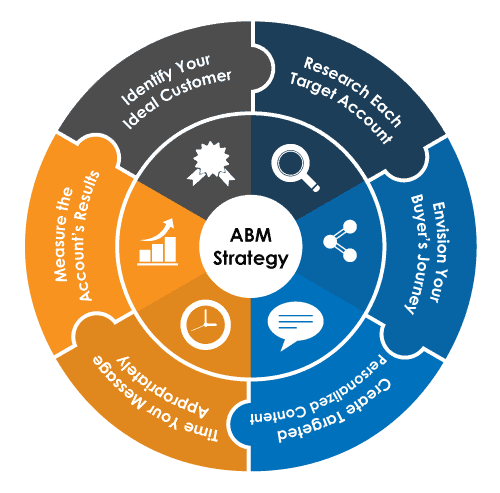
While Account-Based Marketing (ABM) remains a core pillar of B2B strategy, the focus has shifted toward the individual decision-maker within the account. High-value purchasing decisions now involve multiple stakeholders, often 6-10 per account, each with unique priorities and information needs. Marketing teams must treat each person as an individual journey while maintaining cohesion at the account level.
To succeed, organizations need a sophisticated combination of firmographic data, personal intent signals, and behavioral insights. Tailoring content, offers, and messaging to each stakeholder’s role ensures relevance and accelerates the buying process. Coordinating multi-channel campaigns across email, social media, events, and digital touchpoints reinforces consistent communication while building trust.
- Unifying Sales and Marketing under a single Revenue Operations (RevOps) framework for alignment and efficiency.
- Using first-party data to hyper-personalize outreach based on specific roles (e.g., CFO vs. CTO) and responsibilities.
- Shifting performance metrics to focus on “Pipeline Influence” and engagement quality rather than raw top-of-funnel volume.
- Coordinating multi-channel outreach to ensure a seamless, engaging experience for the entire buying committee.
- Implementing role-specific content hubs and interactive demos to empower each stakeholder with actionable insights.
3. Immersive & Proof-Driven Content
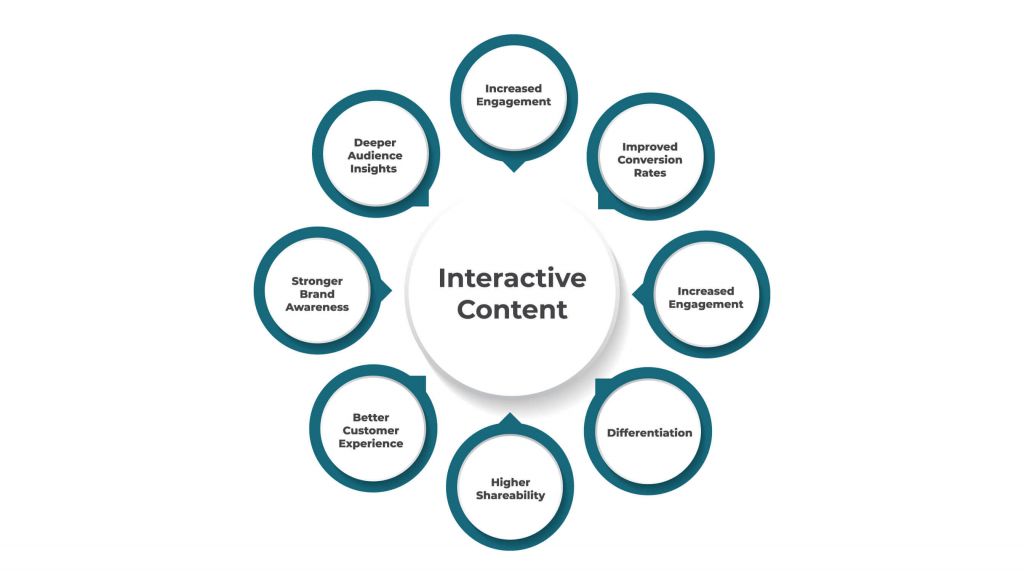
As AI-generated text saturates the digital landscape, B2B buyers are increasingly craving unfiltered human proof. Video has transitioned from a supporting asset to the primary medium for building professional trust. Interactive tools that provide immediate, tangible value-such as ROI calculators, self-service product demos, and scenario-based simulations-have become the highest-performing assets for moving prospects through the consideration phase. B2B buyers now expect a seamless, immersive experience where they can engage with content at their own pace and test solutions in real-world contexts.
Incorporating case studies, client testimonials, and behind-the-scenes process videos provides a multi-layered approach to proof-driven content. This not only demonstrates competence but also builds credibility and relatability. Additionally, leveraging data-rich dashboards and interactive visualizations allows prospects to explore ROI and performance metrics dynamically, making the value proposition tangible rather than abstract. Companies that combine storytelling with interactive validation are far more likely to convert cautious buyers into confident decision-makers.
- Developing “Snackable” 90-second expert-led video insights for platforms like LinkedIn, focusing on actionable takeaways.
- Creating Interactive Product Experience Portals that allow self-guided exploration, trial simulations, and on-demand content discovery.
- Leveraging Employee Ambassador programs and thought leadership content to humanize corporate brands and establish social proof.
- Integrating hybrid experiential marketing that blends digital intent data with micro-events, workshops, and live product demonstrations.
- Utilizing case study libraries and testimonial repositories with interactive filters to allow prospects to find relatable examples quickly.
- Incorporating AI-driven personalization to recommend content based on user behavior, role, and industry, enhancing engagement and time-on-site.
4. Privacy as a Competitive Edge
In a post-cookie world, transparency is no longer just a legal requirement-it has become a competitive advantage. Brands that lead with ethical data practices, clear user consent, and transparent usage policies are seeing higher trust levels, engagement, and conversion rates. By prioritizing privacy, organizations can build long-term relationships while simultaneously unlocking deeper first-party data insights that fuel hyper-personalized marketing efforts.
Beyond compliance, privacy-conscious strategies allow companies to differentiate themselves in crowded markets. Implementing secure collaboration platforms, anonymized data aggregation, and selective data sharing creates confidence among partners and clients. At the same time, organizations can leverage privacy-first insights to tailor messaging, optimize product recommendations, and predict customer behavior without compromising trust.
- Building “Clean Rooms” for secure, privacy-compliant data collaboration with partners, enabling cross-company analytics without exposing raw customer data.
- Leveraging First-Party data as the essential foundation for all AI-driven personalization, ensuring messaging is relevant and compliant.
- Adopting “Zero-Click” content strategies that deliver maximum value without requiring form fills, reducing friction while maintaining lead quality.
- Implementing granular consent management and privacy dashboards to give users full control over their data, fostering trust and transparency.
- Ensuring absolute compliance with evolving global AI governance, data protection laws, and industry regulations.
- Using privacy-focused analytics to identify trends and intent signals safely, enabling smarter segmentation and targeting without intrusive tracking.
Leave a Reply