

Introduction
The digital landscape for B2B organizations is evolving at an unprecedented pace, driven by rapid technological advancement, shifting buyer expectations, and increasingly complex purchasing journeys. Decision-makers today are more informed, more selective, and more value-driven than ever before, requiring brands to deliver relevant, meaningful interactions at every stage of engagement. Traditional, one-size-fits-all marketing approaches are no longer sufficient to capture attention or build trust in competitive markets. In 2025, successful B2B growth will depend on the ability to strategically combine data, advanced technology, and human insight into cohesive digital marketing strategies that are both scalable and personalized. Organizations that can effectively attract the right audiences, engage them with clear value propositions, and guide them confidently toward conversion will be best positioned for long-term success. This article explores the most impactful digital marketing strategies B2B companies can leverage to generate qualified leads, strengthen relationships, and drive sustainable, measurable growth in the year ahead.
1. Account-Based Marketing and Hyper-Personalization
Account-Based Marketing (ABM) remains one of the most effective strategies for driving B2B growth, particularly in industries characterized by long sales cycles, multiple stakeholders, and high-value transactions. Rather than casting a wide net, ABM focuses on identifying a defined set of high-value target accounts and delivering highly tailored messaging and experiences designed to address their specific needs and objectives. By leveraging firmographic data, intent signals, behavioral insights, and historical engagement data, marketers can gain a deep understanding of each account’s challenges, priorities, and decision-making criteria. This enables the creation of hyper-personalized campaigns that resonate more strongly, increase engagement, and accelerate pipeline progression. When executed effectively, ABM not only improves conversion rates but also strengthens alignment between sales and marketing teams, ensuring consistent communication, coordinated outreach, and a more seamless experience throughout the buyer journey.
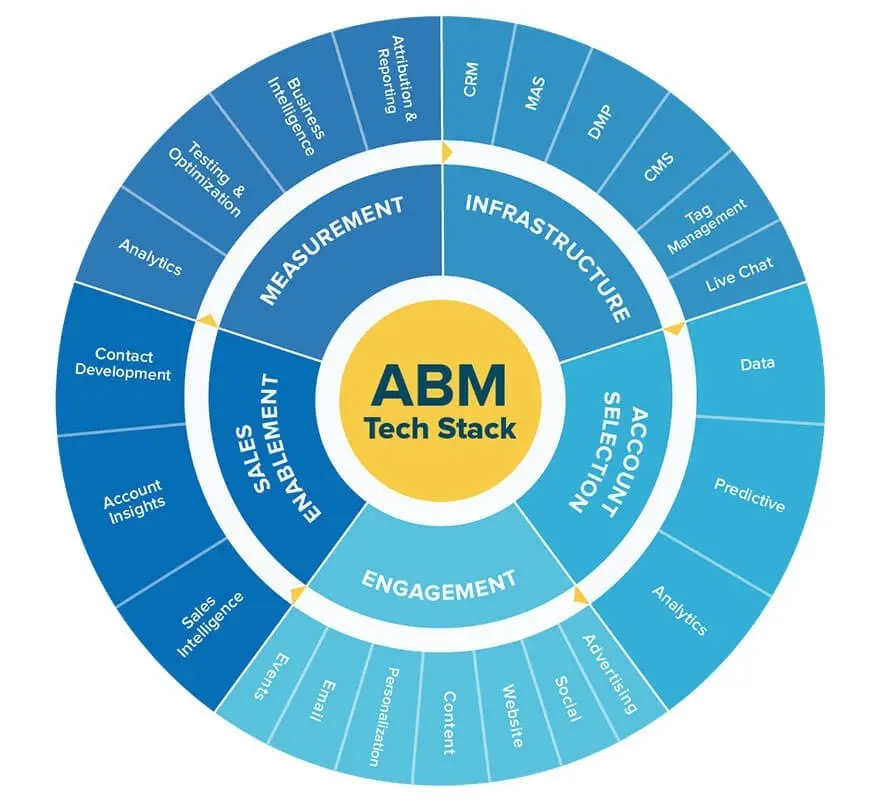
- Use firmographic, behavioral, and intent data to identify, prioritize, and segment high-value target accounts.
- Create customized content, messaging, and offers tailored to the specific needs and decision-making stages of each account.
- Align sales and marketing teams closely to ensure consistent communication, shared insights, and seamless engagement across all touchpoints.
2. AI-Driven Automation and Predictive Analytics
Artificial intelligence and automation are fundamentally reshaping how B2B marketing teams operate, enabling faster decision-making, smarter workflows, and consistent performance at scale. Rather than relying on manual analysis or reactive strategies, AI-powered systems can process vast volumes of historical and real-time data to uncover patterns, predict outcomes, and surface insights that would otherwise go unnoticed. Predictive analytics allows organizations to anticipate buyer behavior, identify high-intent prospects earlier in the journey, and allocate resources where they are most likely to generate impact. At the same time, automation streamlines repetitive and time-intensive tasks such as lead nurturing, email sequencing, audience targeting, and campaign optimization. This reduces operational friction, minimizes human error, and ensures that prospects receive timely, relevant communication across every touchpoint. When combined, AI-driven automation and predictive analytics empower marketing teams to operate with greater precision, improve efficiency across the funnel, and increase the likelihood of conversion by delivering the right message to the right audience at the right time.
- Implement predictive lead scoring to identify, rank, and prioritize prospects most likely to convert based on behavioral and engagement data.
- Use automation workflows to deliver timely, personalized follow-ups across email, paid media, and CRM systems without manual intervention.
- Continuously optimize campaigns using AI-driven performance insights to refine targeting, messaging, and budget allocation in real time.
3. Video and Interactive Content
Video and interactive content have become essential components of modern B2B marketing strategies as buyers seek more engaging, informative, and efficient ways to evaluate solutions. Today’s decision-makers are often time-poor and research-driven, making visual formats especially effective for communicating complex ideas quickly and clearly. From short-form videos and product explainers to in-depth webinars, case study walkthroughs, and live Q&A sessions, video content allows brands to demonstrate expertise, showcase real-world value, and humanize their messaging. Interactive formats further enhance this experience by encouraging active participation rather than passive consumption, helping prospects feel involved and understood. These formats not only increase time spent engaging with content but also provide valuable behavioral insights, such as viewing patterns, interaction points, and drop-off moments. When analyzed effectively, this data helps marketers refine messaging, optimize content formats, and align future campaigns more closely with buyer expectations, ultimately improving engagement, credibility, and conversion rates across the funnel.

- Create short, mobile-optimized videos tailored for platforms like LinkedIn and YouTube to capture attention quickly and communicate value within seconds.
- Host webinars, virtual demos, and live sessions that address specific customer pain points, industry challenges, and solution use cases in depth.
- Incorporate clear, contextual calls-to-action within video and interactive content to guide viewers toward the next step, whether it’s downloading resources, requesting a demo, or contacting sales.
Leave a Reply